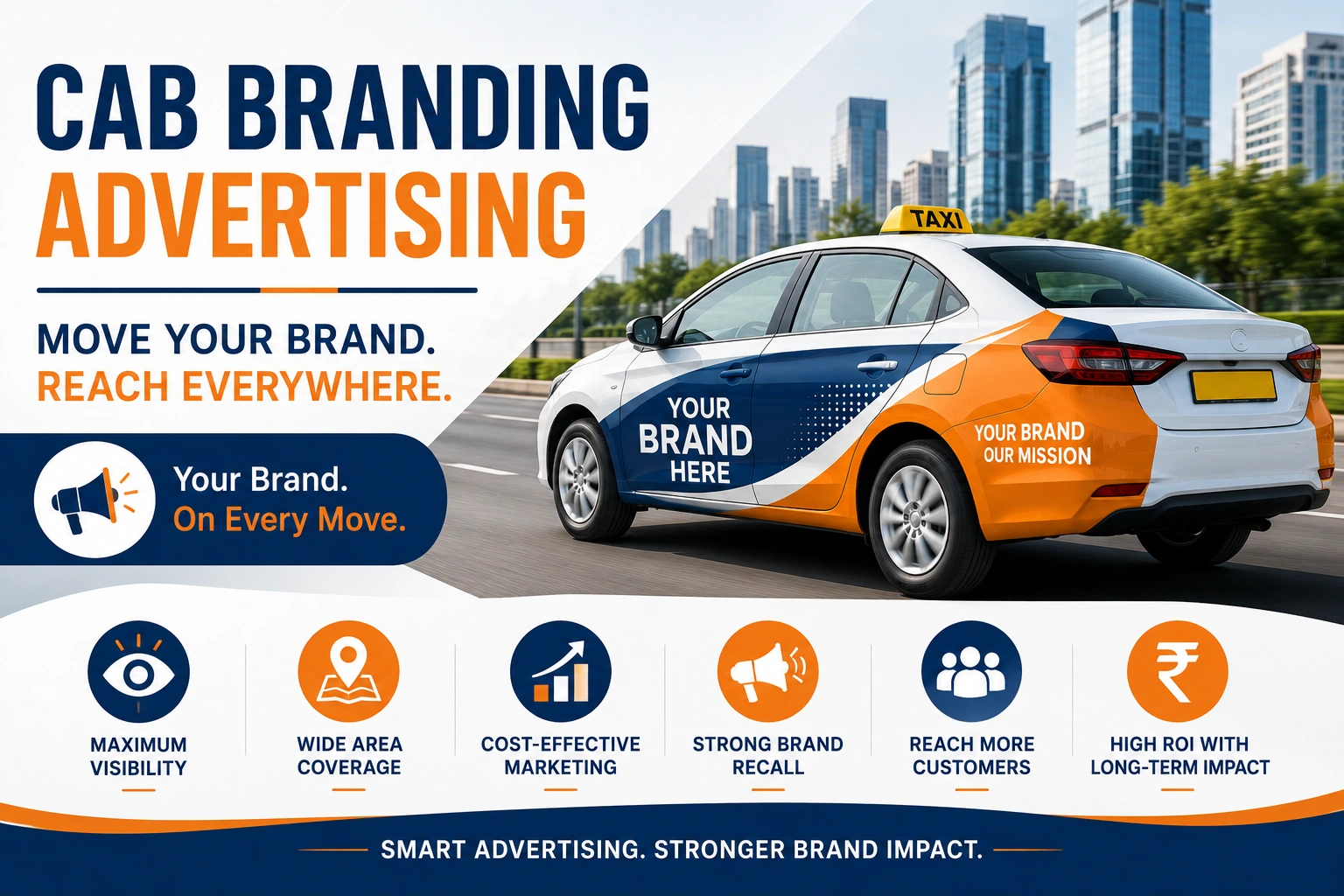
Cab Branding Advertising – A Smart Way to Boost Brand Visibility
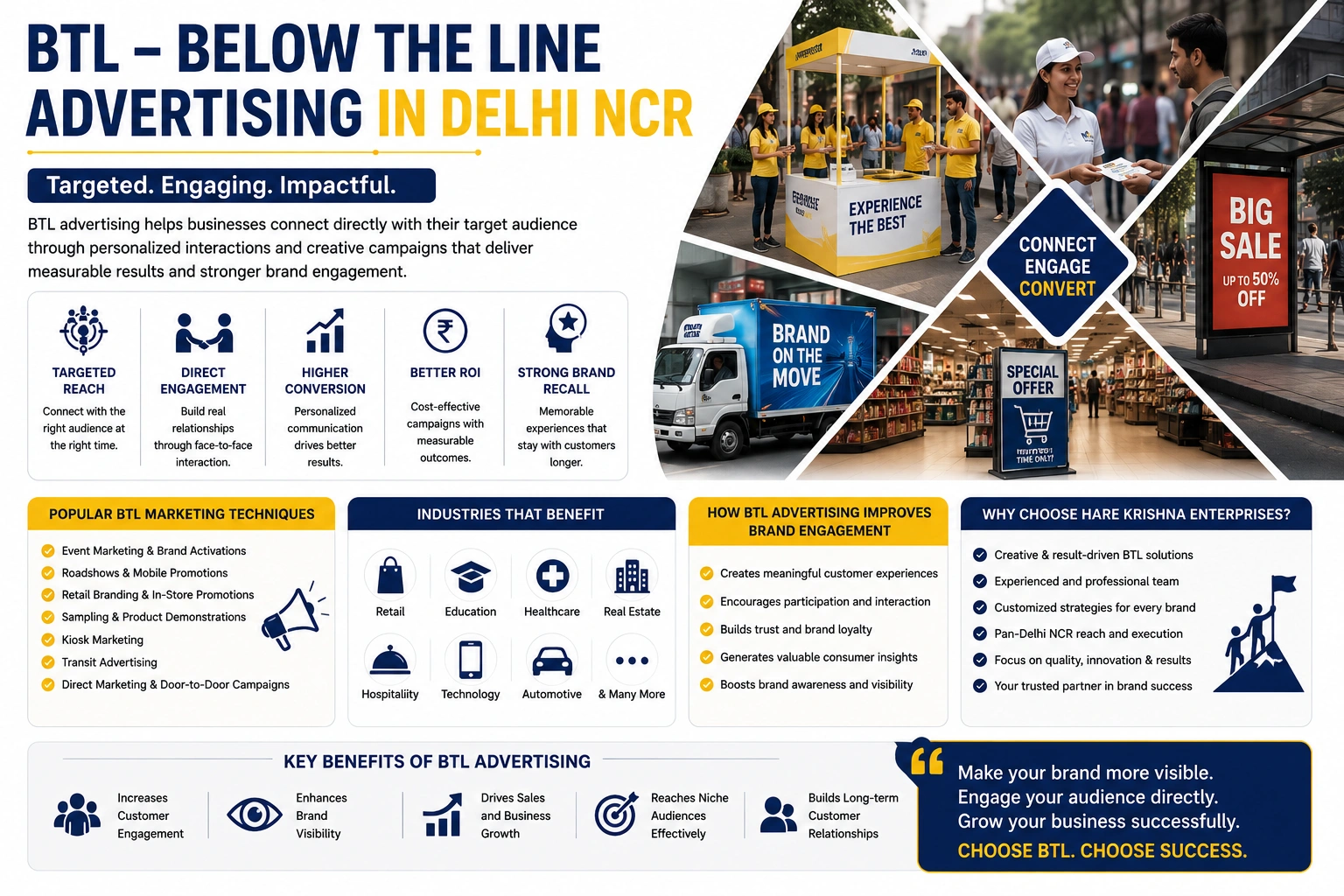
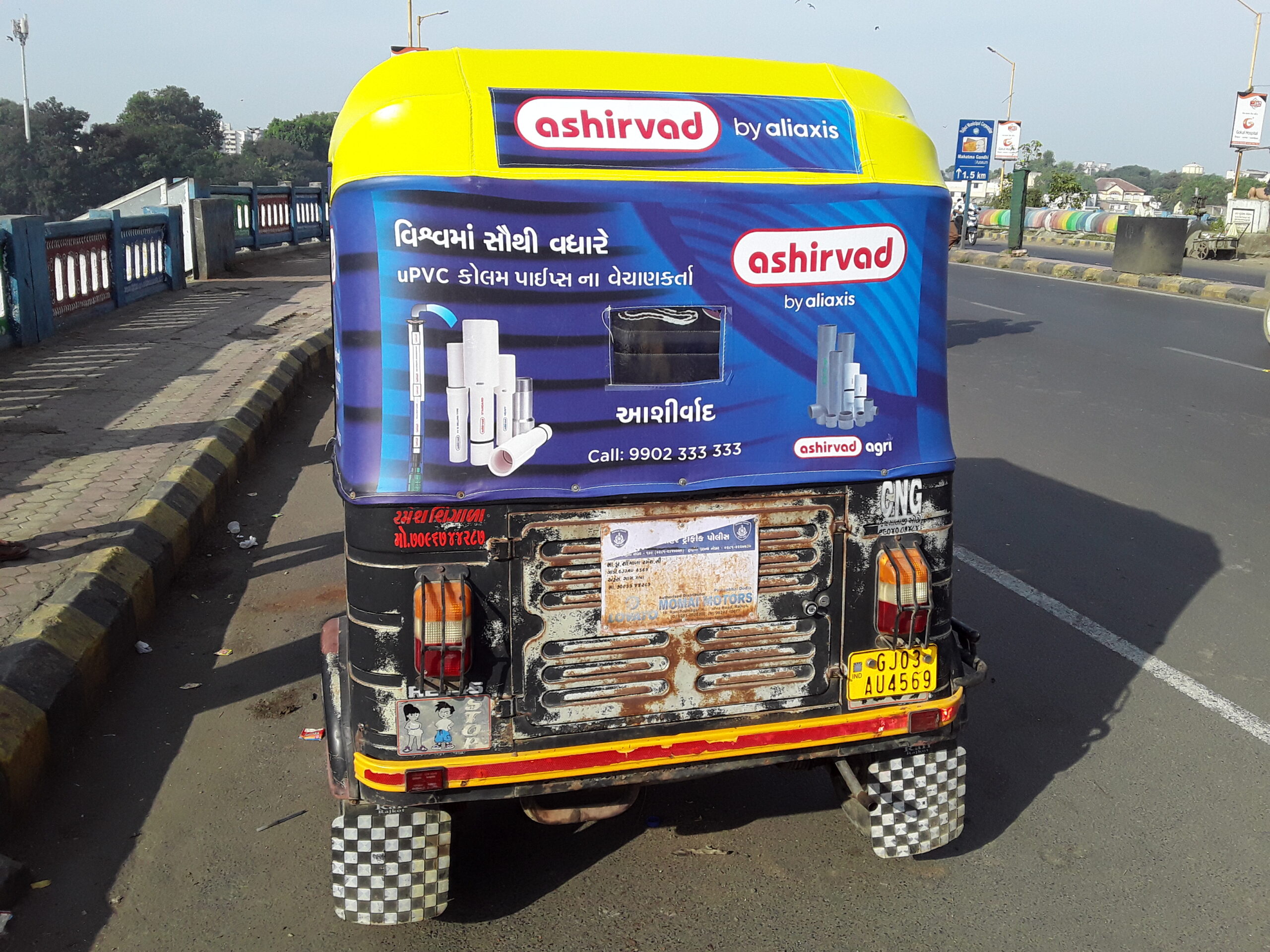
Cab branding advertising has become one of the most effective outdoor marketing strategies for businesses looking to increase brand awareness, customer engagement, and local market presence. In today’s competitive advertising landscape, companies need innovative methods to connect with their target audience beyond traditional media channels. Cab advertising offers a unique opportunity to transform moving vehicles into powerful mobile billboards that generate thousands of impressions every day. As urban populations continue to grow and daily commuting becomes a routine part of life, branded cabs travel through busy roads, commercial hubs, residential areas, airports, shopping districts, and business centers. This continuous movement ensures maximum brand exposure and helps businesses reach potential customers across multiple locations. At Hare Krishna Enterprises, we specialize in delivering high-quality cab branding solutions that help businesses create strong visual impact and memorable brand recognition. Table of Contents Introduction to Cab Branding Advertising Why Cab Advertising is Growing Rapidly Benefits of Cab Branding Advertising How Cab Branding Creates Brand Awareness Industries That Benefit from Cab Advertising Why Choose Hare Krishna Enterprises Different Types of Cab Branding Solutions ROI and Marketing Advantages Image Placement Suggestions FAQ Section Conclusion What is Cab Branding Advertising? Cab branding advertising refers to the process of displaying promotional messages, logos, graphics, and marketing campaigns on taxis and commercial vehicles. These advertisements can be applied using high-quality vinyl wraps, decals, stickers, window graphics, and customized branding designs. Unlike static billboards that remain in a fixed location, cab advertisements move throughout the city, allowing businesses to reach diverse audiences in multiple areas. This mobility significantly increases visibility and creates repeated brand exposure among consumers. The growing popularity of cab branding advertising stems from its ability to deliver cost-effective marketing results while offering exceptional geographic coverage. Businesses of all sizes are increasingly adopting this strategy to strengthen their local and regional marketing efforts. Why Cab Branding Advertising is Growing Rapidly Modern consumers encounter thousands of advertisements daily, making it difficult for brands to stand out. Traditional advertising methods often face challenges such as limited visibility, ad fatigue, and increasing costs. Cab branding solves these challenges by taking the advertisement directly to the audience. Whether a cab is parked at a busy traffic signal, moving through city streets, or stationed near a commercial complex, it continuously attracts attention from pedestrians, commuters, and motorists. The rise of ride-sharing services and commercial transportation networks has further expanded the opportunities for cab branding advertising. Businesses can now leverage larger vehicle fleets to increase campaign reach and enhance brand recall. As companies seek innovative and measurable marketing channels, mobile advertising through branded vehicles continues to gain significant traction. Benefits of Cab Branding Advertising One of the biggest advantages of cab advertising is its extensive reach. A single branded vehicle can generate thousands of daily impressions by traveling through multiple neighbor hoods, business districts, and high-traffic areas. Another key benefit is cost efficiency. Compared to television commercials, newspaper advertisements, and large-format billboards, cab branding offers long-term exposure at a relatively lower cost. Since the advertisement remains visible for months, businesses enjoy ongoing brand promotion without recurring media expenses. Cab advertising also enhances local targeting. Companies can focus their branding efforts in specific geographic areas where their target customers are most active. This localized approach increases campaign effectiveness and improves customer engagement. Furthermore, vehicle branding creates strong visual impact. Eye-catching graphics, professional designs, and strategic messaging help businesses establish a memorable brand presence that remains in the minds of consumers long after they have seen the advertisement. How Cab Branding Advertising Builds Brand Awareness Brand awareness is one of the most important objectives of any marketing campaign. Consumers are more likely to purchase products or services from brands they recognize and trust. Cab branding advertising helps create consistent exposure by repeatedly displaying brand messages across different locations. Every time a consumer encounters a branded cab, the brand gains another opportunity to reinforce its identity and increase familiarity. Repeated visibility strengthens brand recall and helps businesses remain top-of-mind when customers are making purchasing decisions. This is especially valuable for local businesses, retail brands, educational institutions, healthcare providers, restaurants, and service companies looking to expand their customer base. At Hare Krishna Enterprises, we design customized cab branding campaigns that maximize visibility and align with your brand identity, ensuring effective communication and stronger customer connections. Industries That Benefit from Cab Branding Advertising Cab advertising is suitable for a wide range of industries because it provides flexible and scalable marketing opportunities. Educational institutions use vehicle branding to promote admissions and increase awareness among students and parents. Healthcare organizations utilize cab advertising to promote clinics, hospitals, and medical services. Retail businesses benefit by promoting seasonal offers, new product launches, and store locations. Real estate companies use branded vehicles to showcase residential and commercial projects across targeted regions. Hospitality businesses, including hotels and restaurants, leverage mobile advertising to attract local customers and increase bookings. Technology companies, financial institutions, e-commerce platforms, and event organizers also benefit significantly from cab branding campaigns. The versatility of cab branding advertising makes it one of the most adaptable outdoor marketing solutions available today. Why Choose Hare Krishna Enterprises for Cab Branding Advertising Selecting the right branding partner is crucial for campaign success. Hare Krishna Enterprises has established itself as a trusted provider of innovative outdoor advertising and vehicle branding solutions. Our team specializes in creating visually appealing designs that capture attention and communicate brand messages effectively. We use premium-quality vinyl materials, advanced printing technology, and professional installation methods to ensure long-lasting performance and excellent visual appeal. Every project is customized according to the client’s objectives, target audience, and marketing requirements. From single-vehicle branding to large-scale fleet advertising campaigns, we provide end-to-end support and project management. Our commitment to quality, creativity, and customer satisfaction has made us a preferred choice for businesses seeking impactful mobile advertising solutions. Types of Cab Branding Advertising Solutions Businesses can choose from various branding formats depending on their marketing goals and budget requirements. Full vehicle wraps provide maximum visibility by covering
Read More