Marketing Strategy
12 min read
Published: September 28, 2025
The Power of Offline Marketing in a Digital World
Why traditional marketing methods remain essential for building authentic brand connections in today's digital-first landscape
In an era dominated by social media algorithms, targeted ads, and digital analytics, it might seem counterintuitive to invest in offline marketing. Yet, the most successful brands understand a crucial truth: while digital marketing can reach millions, offline marketing creates connections that last.
The reality is that consumers are experiencing digital fatigue. With the average person receiving hundreds of digital advertisements daily, the impact of any single online message has diminished dramatically. This is where offline marketing shines, offering tangible, memorable experiences that cut through the noise.
The Unique Advantages of Offline Marketing
Offline marketing offers several distinct advantages that digital channels simply cannot replicate. Understanding these benefits is crucial for businesses looking to create comprehensive marketing strategies that truly resonate with their target audiences.
1. Tangible Brand Experiences
There's something fundamentally different about holding a beautifully designed brochure in your hands versus scrolling past an online ad. Physical marketing materials engage multiple senses simultaneously, creating deeper memory formation and stronger brand recall. Studies have shown that people remember physical advertising better than digital ads, with some research indicating memory retention rates up to 70% higher for print materials.
When a potential customer receives a well-crafted direct mail piece, attends an engaging brand activation event, or picks up a thoughtfully designed business card, they're experiencing your brand in three dimensions. This multi-sensory engagement creates neural pathways that digital marketing struggles to establish.
2. Building Trust and Credibility
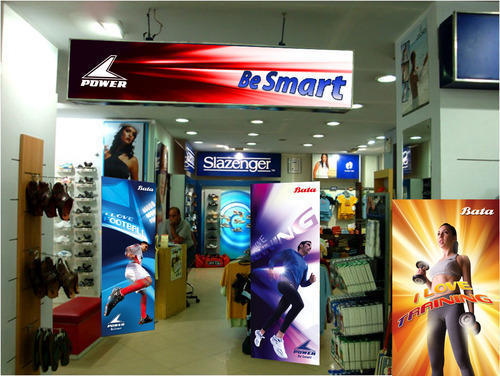
In a world where anyone can create a website or social media presence in minutes, physical presence signals permanence and legitimacy. A professionally designed storefront, a well-executed trade show booth, or a high-quality print advertisement communicates that your business is established, serious, and invested in the long term.
Key Insight: Research by the Direct Marketing Association found that 79% of consumers act on direct mail immediately, compared to only 45% who respond immediately to email marketing. The physical nature of offline marketing creates a sense of urgency and authenticity that digital channels often lack.
3. Targeted Local Reach
While digital marketing excels at broad reach, offline marketing dominates in local targeting. For businesses serving specific geographic areas, offline strategies like local newspaper advertising, community event sponsorships, and strategic billboard placements offer unmatched efficiency.
Consider a local restaurant launching a new menu. While social media posts might reach some followers, strategically placed flyers in neighborhood mailboxes, partnerships with nearby businesses, and sponsorship of local events create immediate, actionable awareness among the exact demographic most likely to become customers.
Effective Offline Marketing Strategies for 2025
The offline marketing landscape has evolved significantly, incorporating new technologies and creative approaches while maintaining the core principles that make traditional marketing effective.
1. Experiential Marketing and Brand Activations
Creating memorable experiences has become the gold standard in offline marketing. Brand activations that allow consumers to interact with products or services in engaging, entertaining ways generate powerful emotional connections and social sharing that extends far beyond the physical event.
Successful experiential marketing campaigns create Instagram-worthy moments that bridge offline experiences with online amplification. Pop-up stores, interactive installations, product demonstrations, and immersive brand experiences give consumers stories to share and memories to cherish.
2. Strategic Print Marketing
Reports of print marketing's death have been greatly exaggerated. In fact, print marketing has seen a renaissance as businesses recognize its unique value in a digital-saturated marketplace. The key is approaching print strategically, with high-quality design and precise targeting.
Modern print marketing includes:
- Direct Mail Campaigns: Personalized, targeted mailings that cut through digital clutter and land directly in consumers' hands
- Magazine and Newspaper Advertising: Reaching engaged audiences in trusted publications with strong editorial content
- Catalogs and Lookbooks: Providing tangible browsing experiences that complement online shopping
- Business Cards and Collateral: Professional materials that facilitate networking and relationship building
82%
Trust Print Ads More
56%
Find Print More Engaging
92%
Say Direct Mail Influences Purchases
3. Event Marketing and Trade Shows
Face-to-face interactions remain irreplaceable for building business relationships and showcasing complex products or services. Trade shows, conferences, and networking events provide concentrated access to qualified leads and decision-makers who are actively seeking solutions.
The key to successful event marketing lies in creating booth experiences that attract attention, facilitate meaningful conversations, and provide clear next steps. This includes interactive demonstrations, compelling visual displays, and follow-up strategies that convert event connections into lasting business relationships.
4. Out-of-Home Advertising
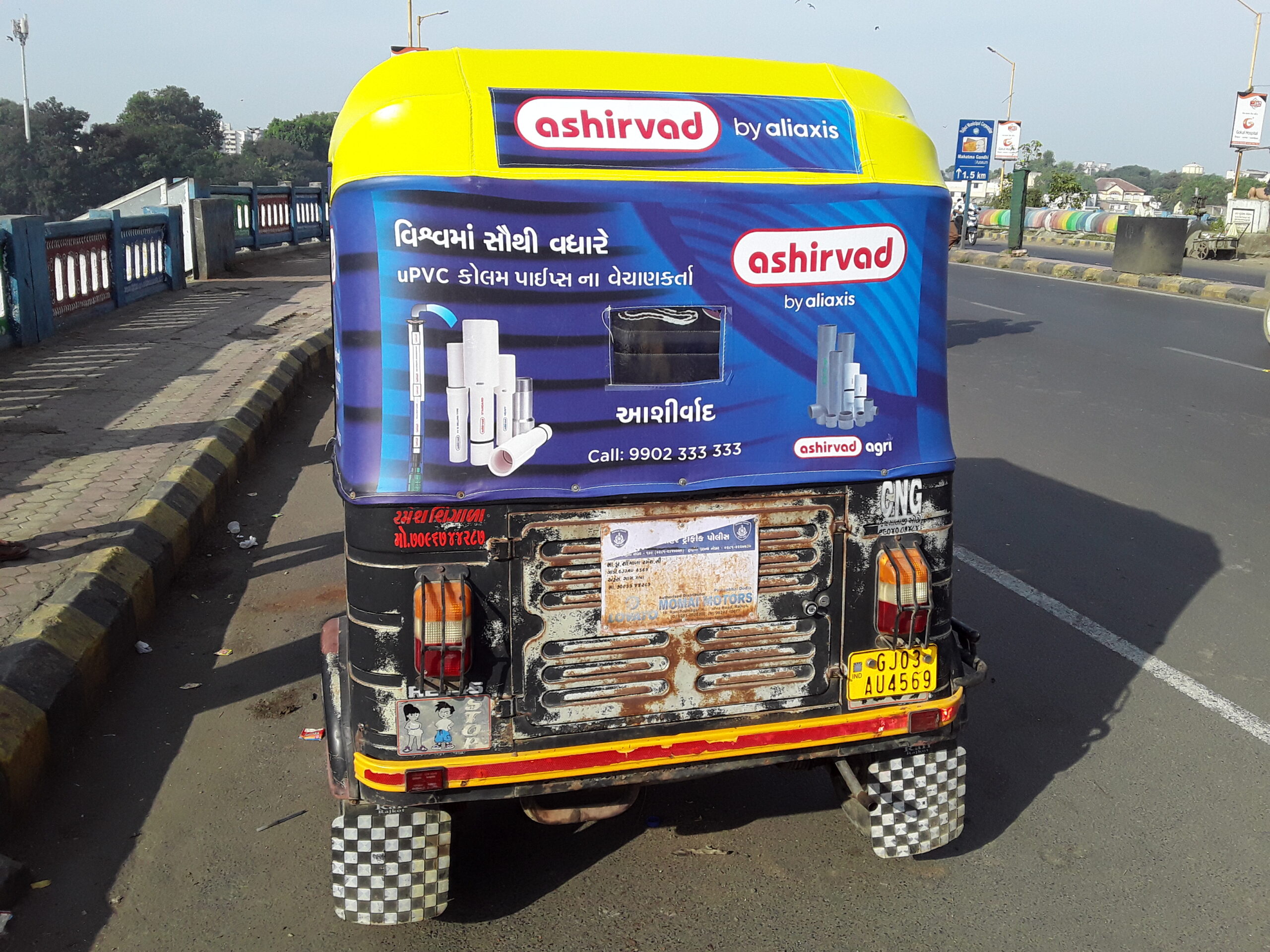
Billboards, transit advertising, and other out-of-home (OOH) media have evolved dramatically with digital technology. Digital billboards allow for dynamic content that changes based on time of day, weather conditions, or real-time data, while traditional static billboards continue to provide consistent brand visibility in high-traffic areas.
OOH advertising is particularly effective for building brand awareness and complementing digital campaigns. When consumers see your billboard on their morning commute and then encounter your online ads later, the repeated exposure across channels reinforces your message and increases conversion likelihood.
Integrating Offline and Online Marketing
The most effective marketing strategies don't choose between offline and online—they strategically integrate both to create synergistic campaigns that amplify results.
"The future of marketing isn't digital or traditional—it's integrated. The brands that win are those that create seamless experiences across all touchpoints, using offline tactics to drive online engagement and digital tools to enhance offline experiences."
Cross-Channel Campaign Strategies
Integration begins with understanding how different channels complement each other. For example:
- QR Codes on Print Materials: Bridge physical marketing to digital experiences, allowing instant access to websites, videos, or special offers
- Social Media Integration at Events: Create branded hashtags, Instagram-worthy installations, and incentives for social sharing
- Retargeting Event Attendees: Use digital advertising to stay connected with people who visited your booth or attended your event
- Custom URLs for Print Campaigns: Track the effectiveness of offline marketing by directing recipients to campaign-specific landing pages
Measuring Offline Marketing Success
One common misconception is that offline marketing can't be measured effectively. While tracking may require different approaches than digital analytics, numerous methods exist for measuring offline campaign performance:
- Unique Phone Numbers: Assign specific numbers to different campaigns to track call volume and conversions
- Promotional Codes: Provide campaign-specific discount codes that reveal which offline channels drive sales
- Custom Landing Pages: Direct offline audiences to unique URLs that track traffic and conversions
- Customer Surveys: Ask new customers how they heard about your business
- Foot Traffic Analysis: Monitor store visits following local marketing campaigns
The Psychology Behind Offline Marketing Effectiveness
Understanding why offline marketing works so well requires examining the psychological principles that make physical marketing materials and experiences so impactful.
The Haptic Effect
Haptic perception—the sense of touch—plays a crucial role in how we process information. When people physically interact with marketing materials, they form stronger emotional connections to the content. Research shows that the physical act of holding something creates a sense of ownership and value that viewing digital content cannot replicate.
Reduced Cognitive Load
Digital environments bombard consumers with choices, notifications, and distractions. Physical marketing materials exist in isolation—when someone picks up a brochure or reads a direct mail piece, that's their sole focus in that moment. This focused attention leads to better information retention and higher conversion rates.
The Novelty Factor
As digital marketing becomes increasingly ubiquitous, physical marketing materials have gained a novelty advantage. Younger consumers who've grown up in digital environments often find print and physical experiences refreshingly different, leading to higher engagement rates among demographics typically considered "digital natives."
Research Finding: A study by Temple University's Center for Neural Decision Making found that physical advertisements activate more emotional processing in the brain than digital ads, leading to better memory retention and stronger purchasing intent.
Cost-Effectiveness of Offline Marketing
While digital marketing often appears cheaper on the surface, effective offline marketing can deliver superior ROI when properly executed. The key lies in strategic planning and precise targeting.
Consider direct mail: while printing and postage costs exceed email marketing expenses, direct mail achieves response rates 10-30 times higher than email. When you factor in the higher conversion rates and average order values, the actual cost per acquisition often favors offline channels.
Similarly, event marketing requires significant upfront investment, but provides concentrated access to qualified leads. A single successful trade show can generate months worth of qualified business opportunities, making the cost per lead competitive with digital advertising channels.
The Future of Offline Marketing
Far from becoming obsolete, offline marketing is evolving to incorporate new technologies and creative approaches. Augmented reality experiences triggered by print advertisements, NFC-enabled packaging that connects products to digital content, and data-driven personalization of direct mail campaigns represent the future of offline marketing.
The brands that will succeed in the coming years are those that recognize offline marketing not as a relic of the past, but as an essential component of comprehensive marketing strategies. By combining the reach and precision of digital marketing with the tangibility and emotional impact of offline tactics, businesses can create truly remarkable campaigns that drive measurable results.
Conclusion: The Balanced Approach
The question isn't whether businesses should invest in offline or online marketing—it's how to strategically balance both to maximize impact. Offline marketing creates the memorable experiences, builds the trust, and generates the emotional connections that turn prospects into loyal customers. Digital marketing extends reach, enables precise targeting, and provides detailed analytics.
Together, these channels create marketing ecosystems that engage consumers across every touchpoint of their journey. As we move forward in an increasingly digital world, the brands that remember the power of physical presence, tangible experiences, and face-to-face connections will be the ones that truly stand out.
Ready to Create Impactful Offline Marketing Campaigns?
Let Hare Krishna Enterprises help you craft memorable brand experiences that drive real results.
Get Started Today